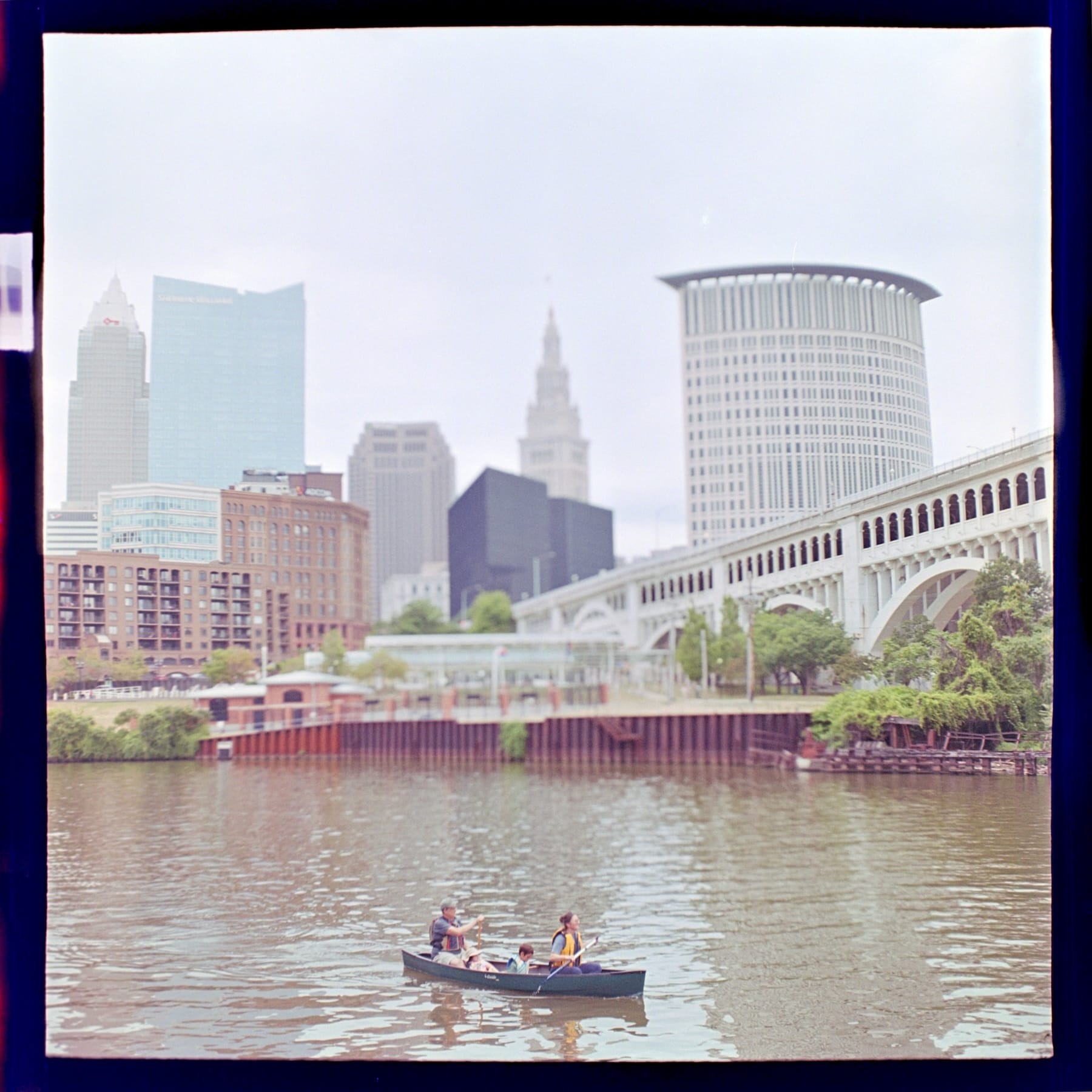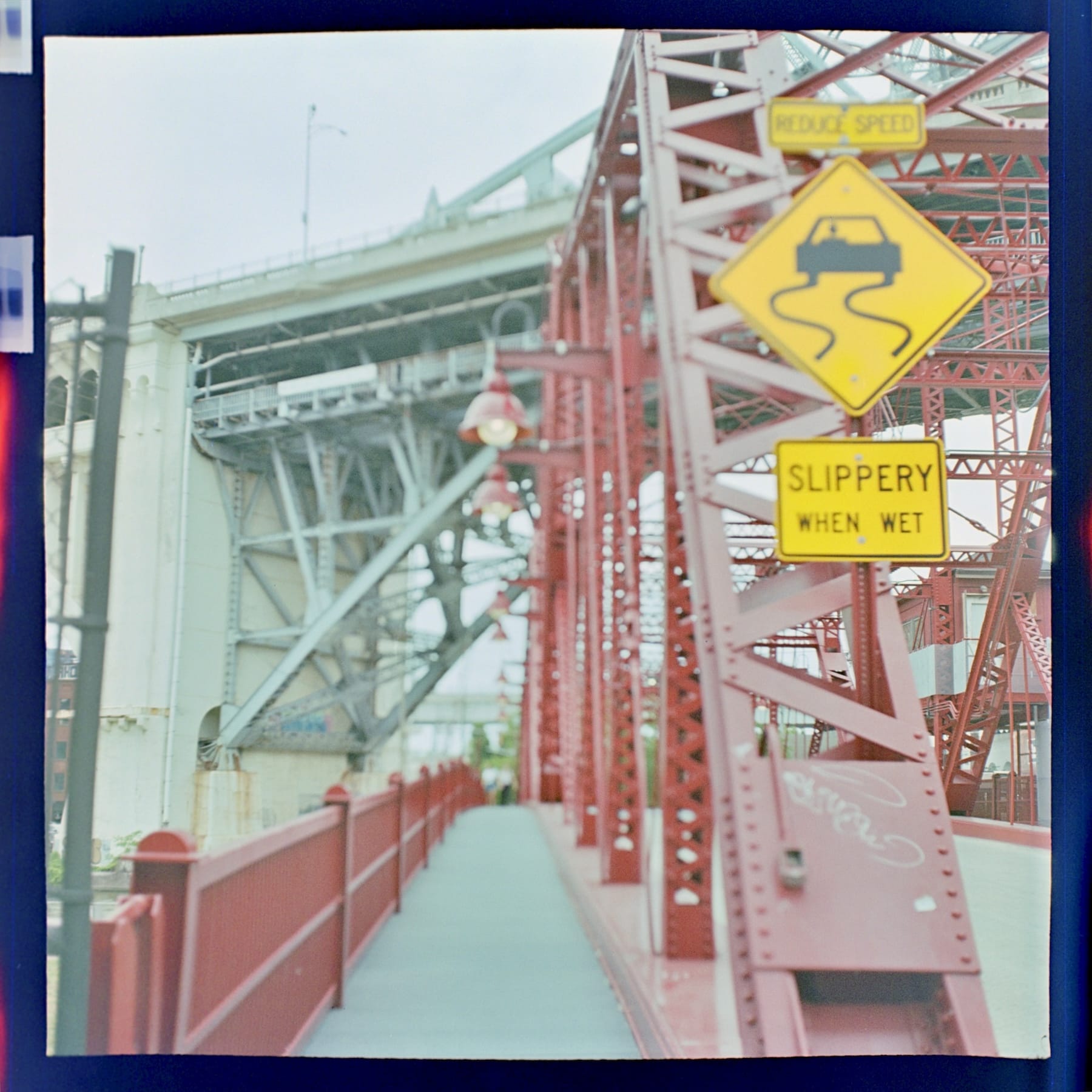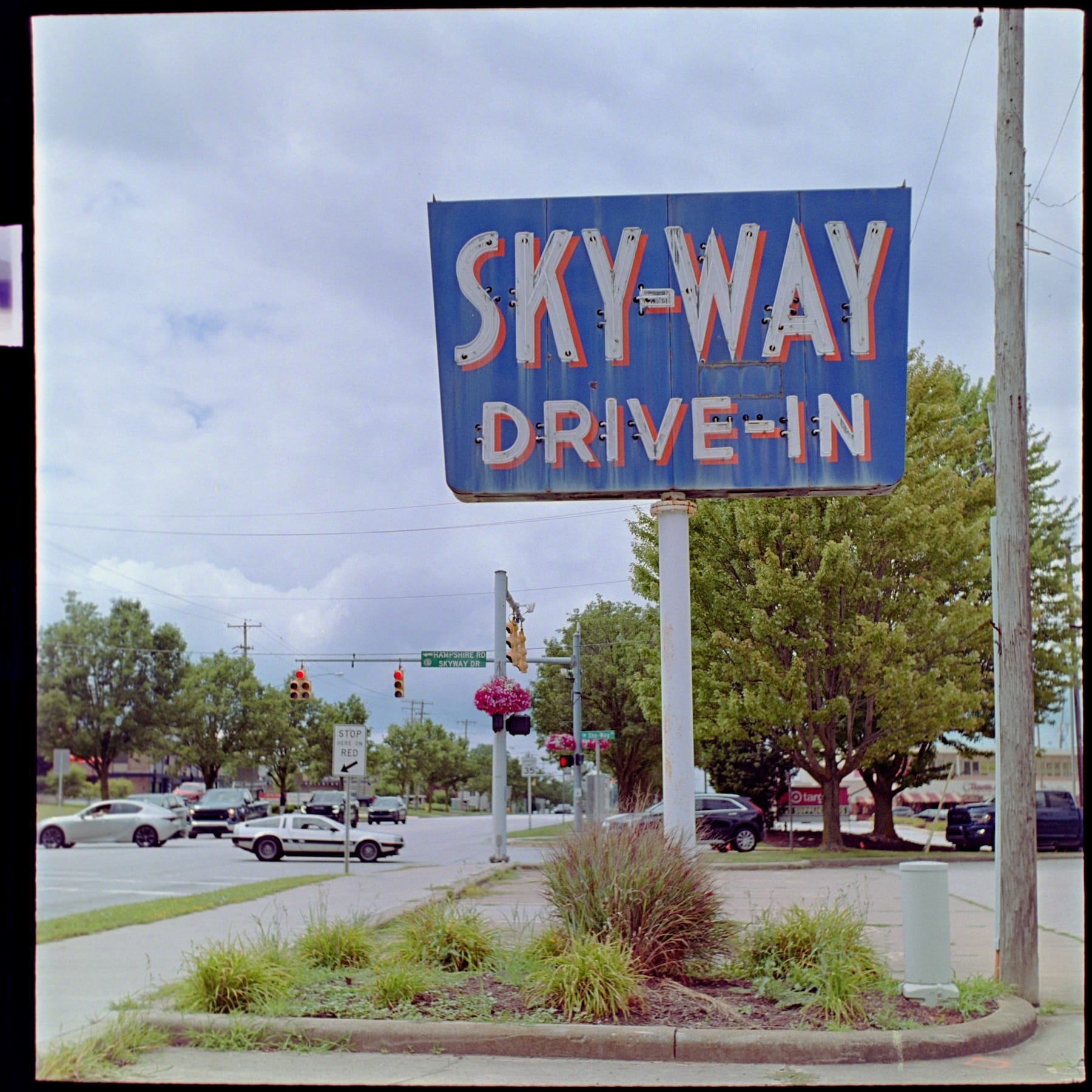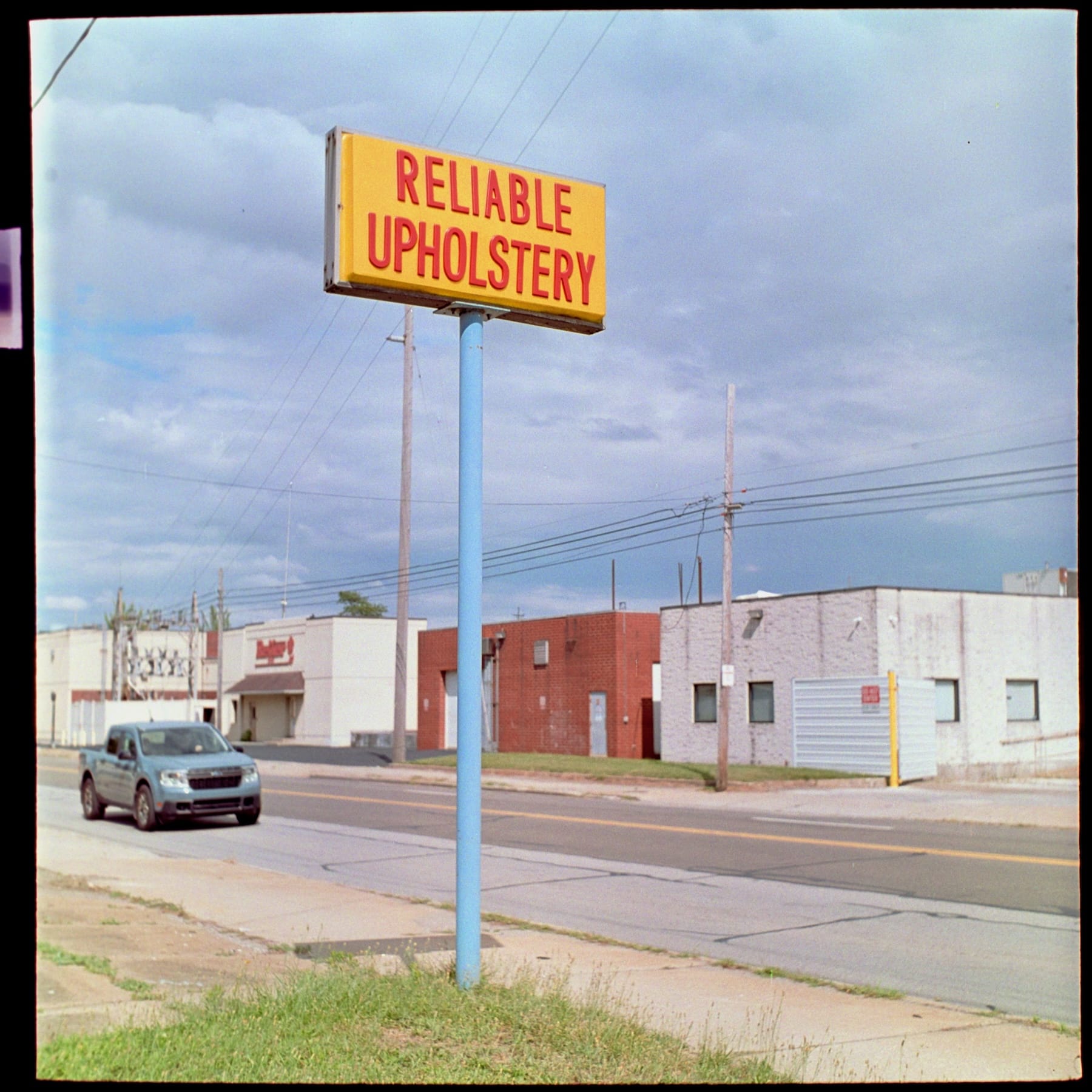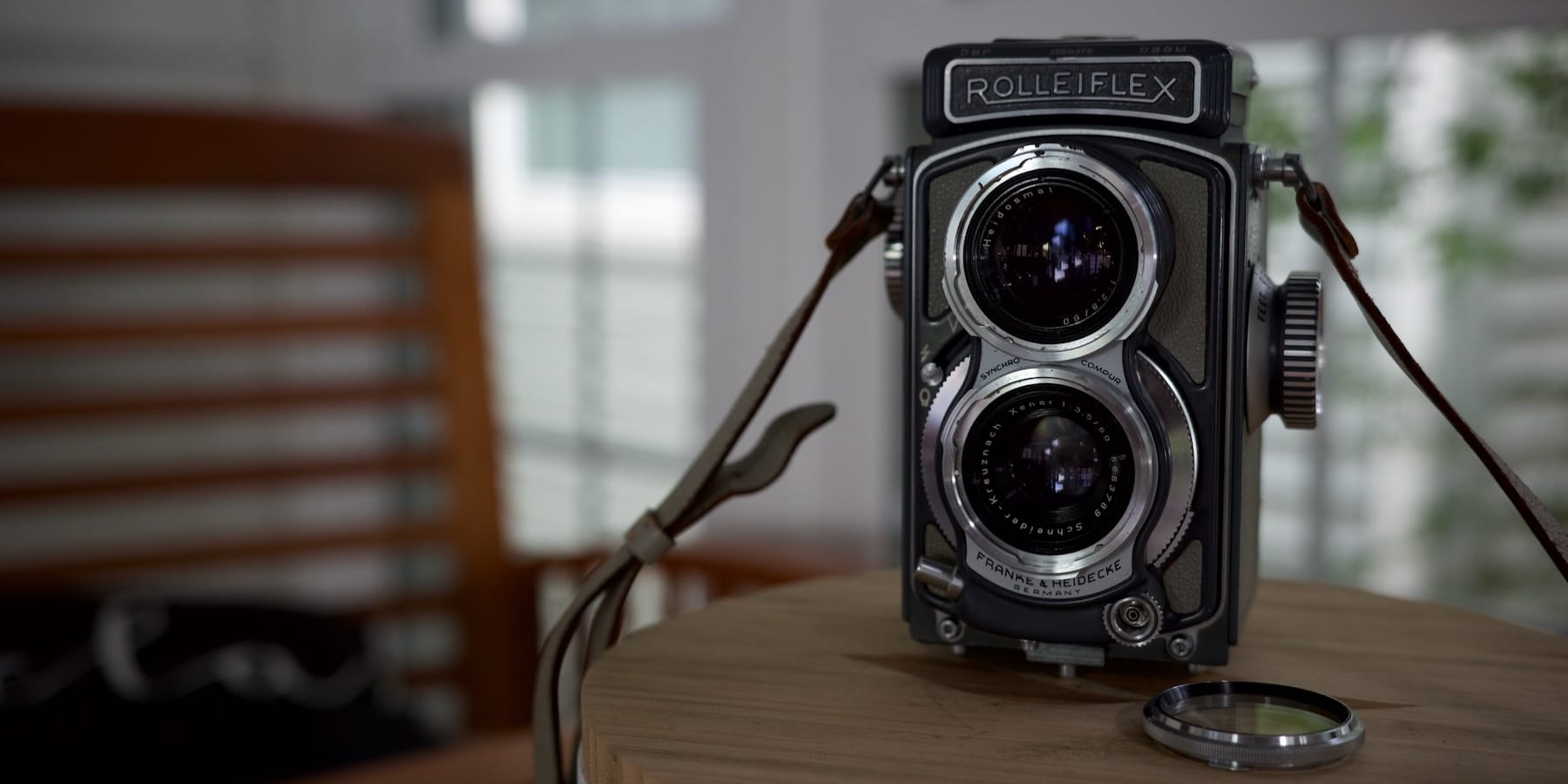
I saw a Baby Rolleiflex at a thrift shop and was impressed by just how small it was. In hand it feels smaller than one would expect. Photos don’t do the size justice. More importantly, I threw the strap around my neck and immediately appreciated its weightlessness - compared to full-size medium format cameras, that is.
I like to carry medium format cameras when walking around festivals, old car shows, and other events. They don’t make cameras like that any more. That uniqueness attracts attention, starts conversations, and makes taking photos easier. But, I had been doing it less often. I don’t always find a good subject, composition, or conversation; I was taking it just in case. Lugging a large camera around just in case I found something became less appealing. So, I switched to lighter 35mm cameras. The Rolleiflex 4x4 seemed like it would be a great compromise of size and conversation starting ability.
The downside was the film. It is possible to order 127 film, but it tends to be 50 to 100 percent more expensive than comparable rolls of 120 film. So, I left that particular Baby Rollei at the thrift shop. It wasn’t until I had the opportunity to become the third owner of a very gently used copy that I decided it might be time to experiment with a 127 film camera.
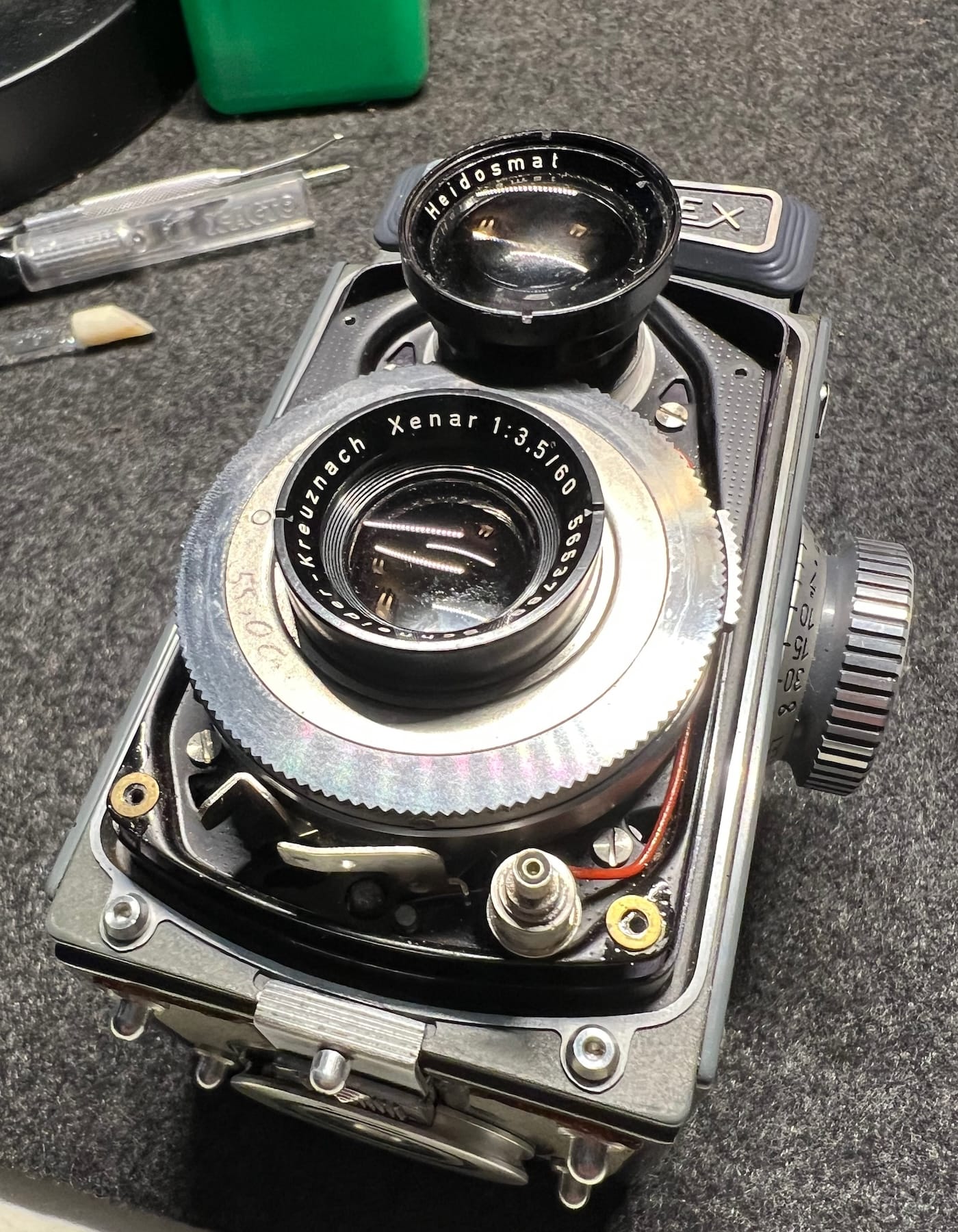
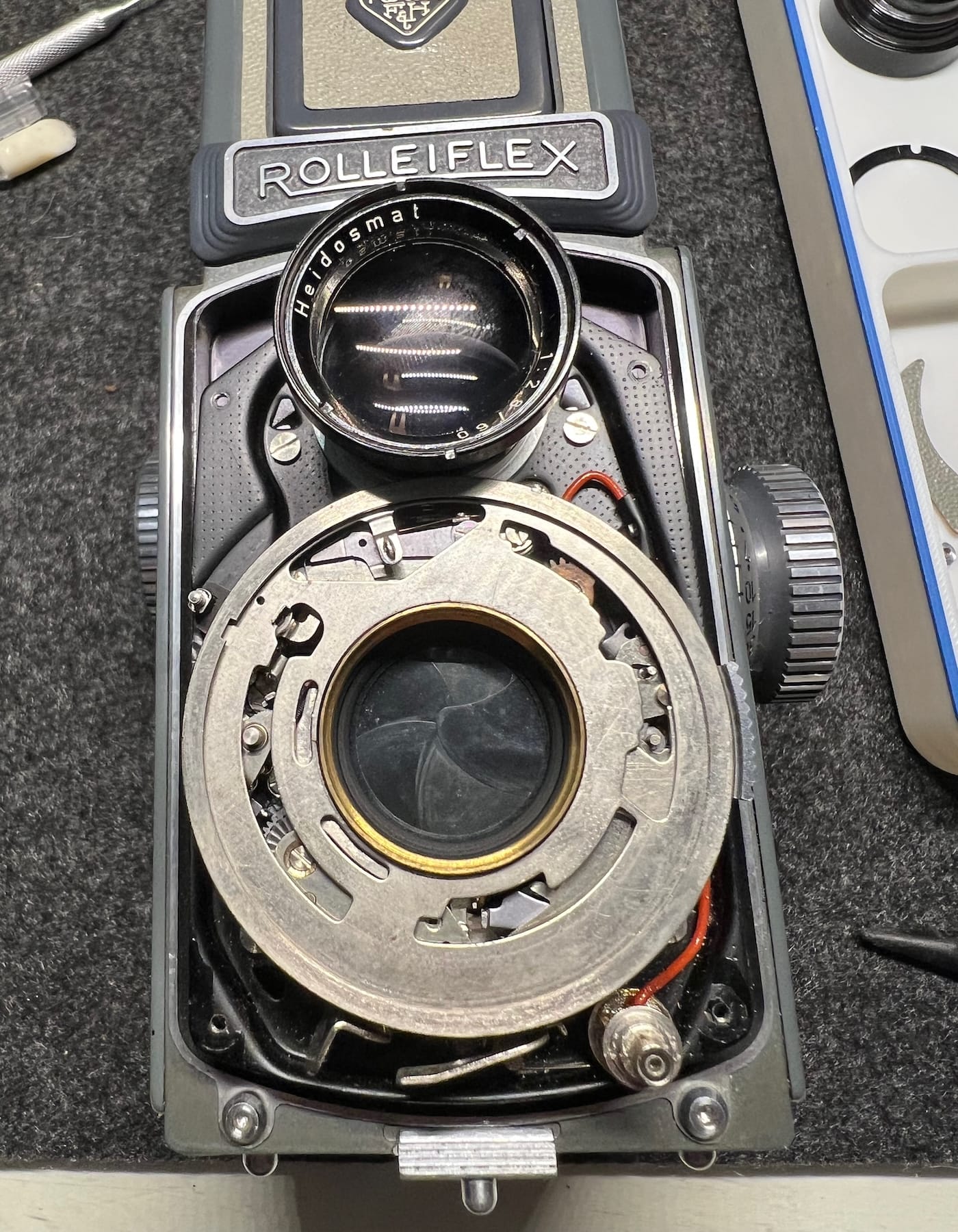
After 65 years the shutter on my copy needed a CLA. I hoped that without removing the shutter from the front standard I could access enough of the shutter to clean and lubricate it. The leather on the cover plate came off easily without damage. I removed the 4 screws under the leather patches, loosened the nut in the flash connector, and the cover came off. I noted the position of the lens and then unscrewed it noting the number of turns; my hope was I could put it back together without collimating it. Finally, I removed the cover for the shutter.
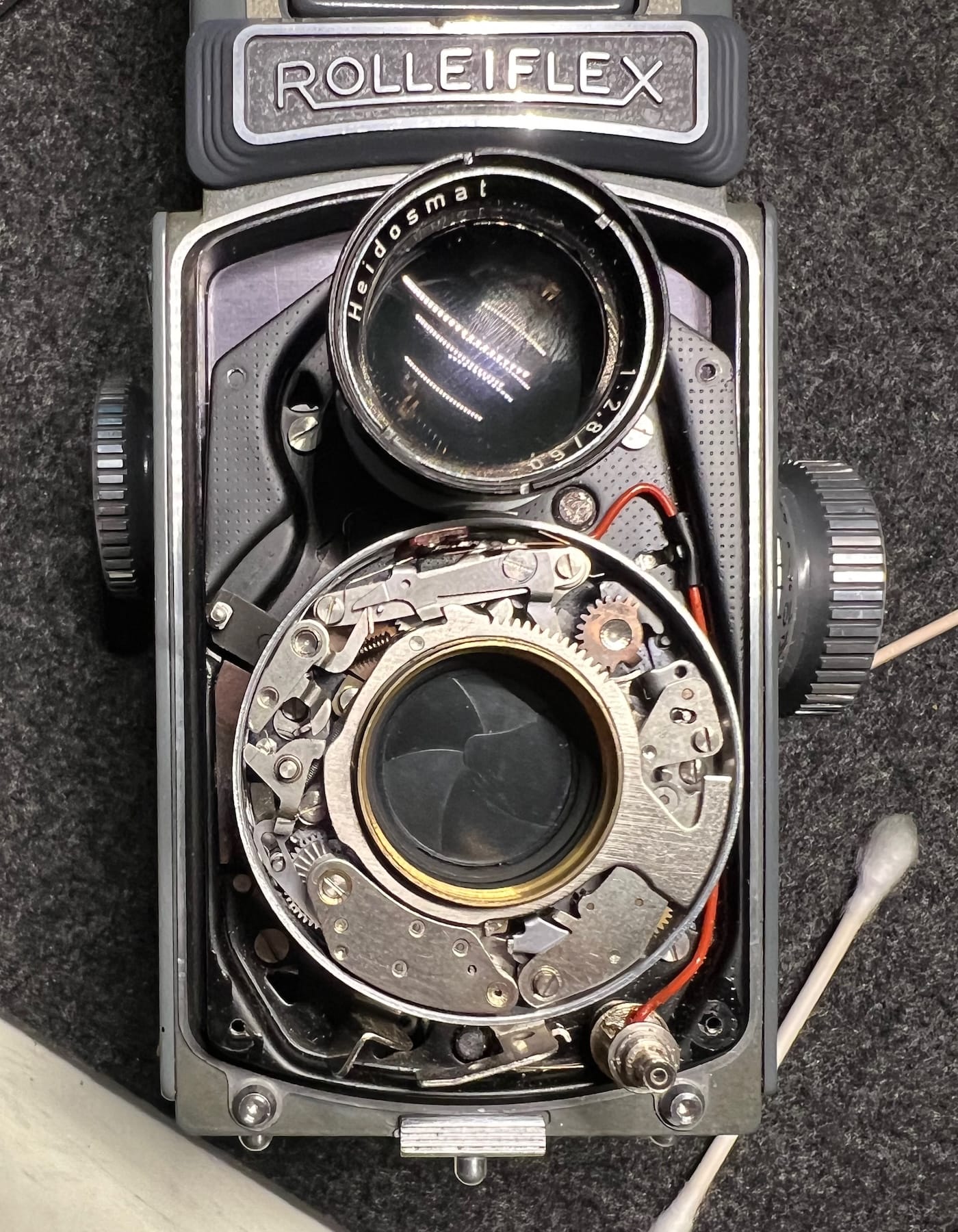
I disassembled the cocking ring and small catch levers on the upper left of the shutter. I didn’t want to fully disassemble it, but I also didn’t want to lose or damage those tiny springs. With the loose parts removed, I thoroughly rinsed the shutter with alcohol. I then cleaned every nook and cranny with tiny pipe cleaners. Finally, I used cotton swabs to very carefully clean the exposed shutter leaves. I moved the blades using a toothpick on the back portion of the blades that is inside the shutter mechanism area. I moved the blades in and out, then gently wiped them clean. I did that until they were clean. It was a long, slow process; one which I don’t recommend. One slip or snag could have easily damaged the delicate blades.
After the shutter was snapping back into place as it should, I added tiny drops of oil on the bearing posts and where the main spring collar would bear on internal parts. I also brushed a small amount of grease on the timing plate where it slid on other metal parts. Maintenance manuals are available for Synchro-Compur shutters. The manuals show exactly which parts should be lubricated, so I follow the specifications. Then, I put the shutter back together. Everything functioned properly, and all the speeds were close enough for me, so I put the camera back together.
The gentleman I purchased the camera from had purchased the camera from the original owner in 1985. The original owner had purchased the camera new while in Germany. I suppose in another 25 to 40 years I’ll also be ready to pass this camera along to a younger shooter. I hope film is still available for them to shoot it.
Oh, and regarding the 127 film experience - it’s extra work, but I don’t mind it since it lets me carry this beautiful little Rollei around. Ilford makes unperforated 46mm film available through their Ultra Large Format (ULF) program, so it is possible to get film. And, having a darkroom, re-loading 127 film is very easy. In the light I get my materials ready, unroll the backing paper, and tape it to the desk. Then, I lay out markers for cutting the 46mm roll film to length. Once cut, I tape it lightly on one end, roll down from the opposite end, then adjust the tape when I get rolled back down to that edge. It only takes me a couple minutes to do, and I do a few rolls per session.
I find that the hardest part of working with 127 film is finding spools and backing paper. I’ve collected some spools, and they are metal, so they will last forever. When a piece of backing paper gets a little too tattered I use it as a template to cut a new strip down from an old 120 roll. And, with the Rollei, I don’t care if the numbers line up properly. I just copy over the location of the start arrows and draw them on the new paper.
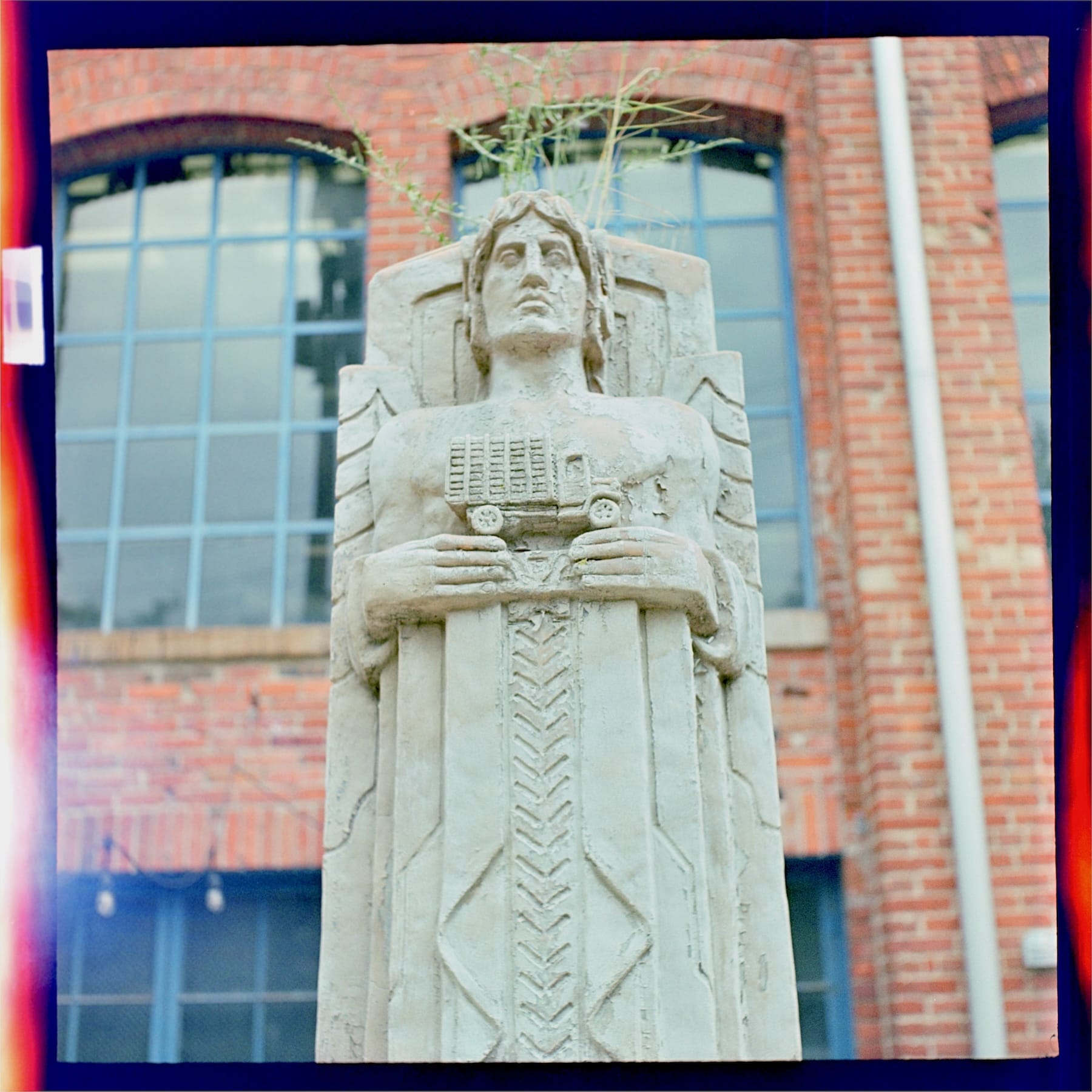
There are producers of fresh 127 film, and I appreciate any manufacturer who is willing to put niche film products on the market, but I did occasionally experience minor issues with some of those rolls. I believe that all the currently available aftermarket 127 rolls are cut-down from 120 film. This means that the film goes to the edge of the backing paper. Without a little paper sticking out to protect the edges of the film, you are more likely to get light leaks from handling the film in bright daylight. I frequently experienced light leaks at both ends; from loading and unloading the rolls in daylight.
Light leaks are less frequent in the middle of the roll. However, I have also experienced other issues with my mid-roll frames. If the film is not rolled tightly with the backing paper, then there can be small areas where the film pulls away from the backing paper. Any slight deformity in the film can result in some drastic focus issues. This problem seem more common in the middle of the roll and shows itself as unexpected out-of-focus areas in the final image.
A final issue I have experienced is related to imperfectly trimmed film edges. If there is jaggedness to the cut edge of the film, then it is possible for the film to catch on protrusions near the film plane, which in turn causes wrinkles in the film. These wrinkles, which tend to run diagonally, can cause some very unusual focus effects.
I have experienced less issues with my homemade 127 rolls, but hand rolling non-cut-down film can cause the issues. If the film is not centered in the backing paper, then one edge of the film can experience light leaks. And, if the hand-winding of the film is not tight, then it can also show wrinkling in the middle. The issue of jaggedness shouldn’t happen though, unless you are very rough at handling the film.
Exposure compensation values and usage notes for the Rollei filters. I provided the German language names because every filter I have seen is marked in German.
| German | English | Pan | Ortho | Notes |
|---|---|---|---|---|
| Hellgelb | Light yellow | -1 | -1.5 | Landscapes, clouds, snow. Renders yellow and green lighter, blue darker. |
| Gelb mittel | Medium yellow | -1.5 | -2 | Landscapes, clouds, snow. Renders yellow and green lighter, blue darker. |
| Hellgrün | Light green | -1 | -1.5 | Landscapes, clouds, snow. Renders green lighter, red (complexion) and blue darker. For Pan emulsions |
| Grün | Green | -1.5 | -2 | Landscapes, clouds, snow. Renders green lighter, red (complexion) and blue darker. For Pan emulsions |
| Orange | Orange | -1.5 to -3 | Hazy distant views. Renders yellow-red lighter, blue darker, distant objects clearer. | |
| Hellrot | Light red | -2.5 to -3.5 | Hazy distant views. Gives stronger effects than orange filter. | |
| Hellblau | Light blue | -0.5 | -0.5 | Artificial light. Renders red darker. For ultra-pan emulsions. |
| UV | UV | -0.5 | -0.5 | High altitudes above 6,000 feet. Seascapes. Eliminates ultraviolet rays which reduce contrast |
| Infrarot | Infrared | varies | film | Special filter for infra-red emulsions. Transmits dark red above 700 mμ and infra-red |
I couldn’t find a resource to help me determine the exact year of this camera based upon the serial number. So, to estimate it, I divided the production evenly across the years it was available (except for 1963 when they started co-producing the black version). I’m sure it is flawed, but I just wanted an estimation.
| Year | Start | End |
|---|---|---|
| 1957 | 2,000,001 | 2,010,667 |
| 1958 | 2,010,668 | 2,021,334 |
| 1959 | 2,021,335 | 2,032,001 |
| 1960 | 2,032,002 | 2,042,668 |
| 1961 | 2,042,669 | 2,053,335 |
| 1962 | 2,053,336 | 2,063,999 |
| 1963 | 2,064,000 | 2,064,999 |
Presenting
The Automatic
4 x 4
Rolleiflex
For Super Slides
…the camera sensation–a true miniature masterpiece, which gives 12 large pictures (4 x 4 cm) on #127 color or black and white film. Fully automatic operation…Synchro-Compur LVS shutter…finest specially computed Schneider XENAR 3.5/60mm lens…many other exclusive features. The camera for color–ideal for travelers and active photographers. At Rollei dealers, only $133.65, case extra. Literature available.